

National AIDS Commission and Partners Mark Global Reach II Closeout and Transition to Government Ownership
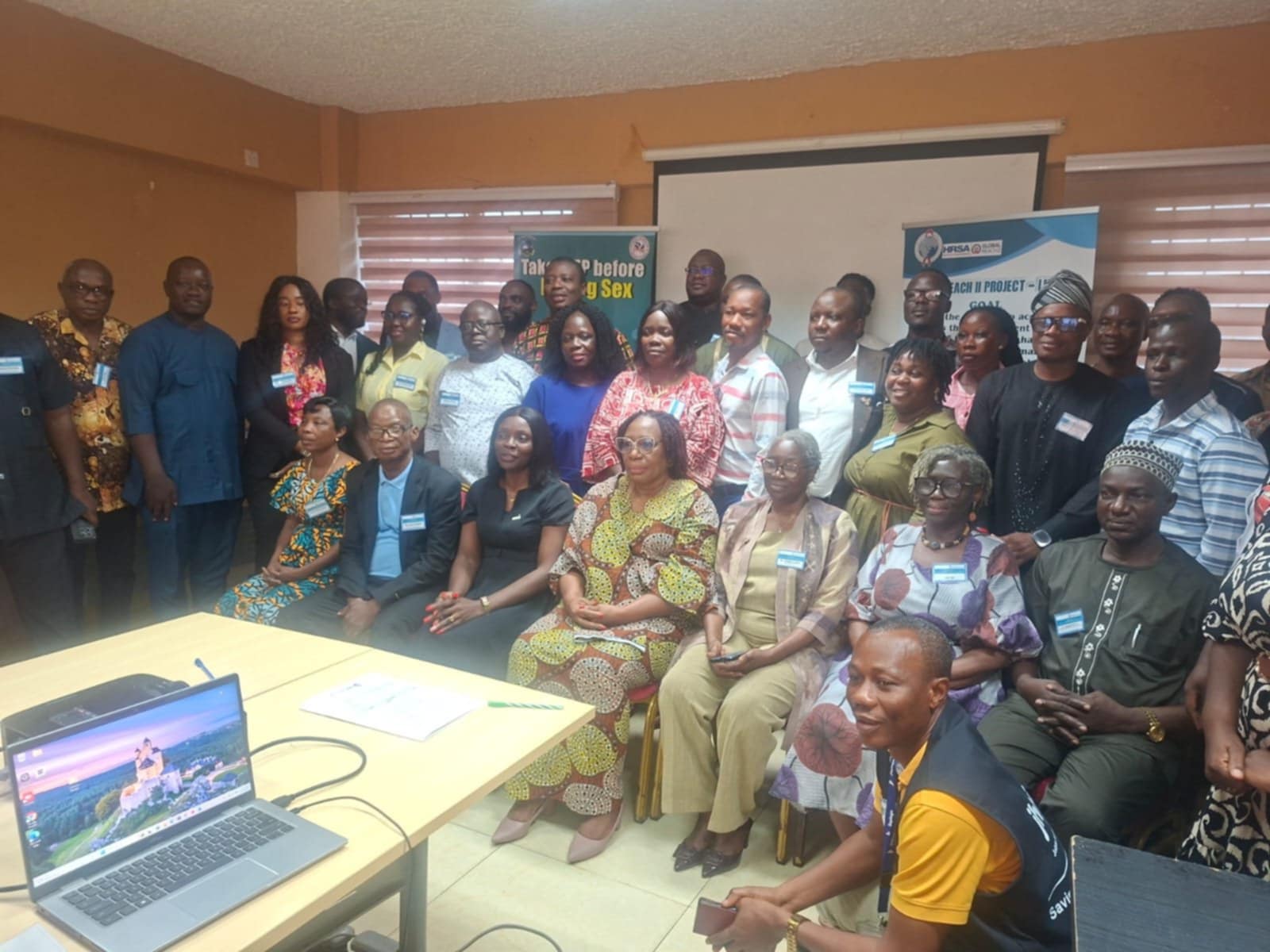
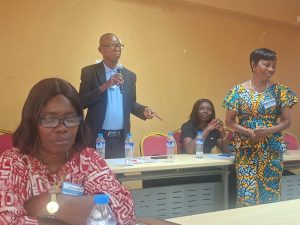
The National AIDS Commission (NAC), in collaboration with the National AIDS and STI Control Program (NACP), the Ministry of Health (MOH), Jhpiego, civil society organizations (CSOs), County Health Teams, and other stakeholders, convened on August 13, 2026 for the Global Reach II (GRII) Closeout and Transition Ceremony at the Corina Hotel in Monrovia.
The ceremony marked an important milestone in Liberia’s HIV response as stakeholders reflected on the achievements of the HRSA-funded Global Reach II Project and reaffirmed their commitment to sustaining key HIV prevention interventions under national leadership.
The Global Reach II Project, implemented by Jhpiego in collaboration with the Government of Liberia and other partners, has supported Liberia’s HIV prevention response since 2022. The project focused particularly on expanding access to community-based Pre-Exposure Prophylaxis (PrEP), strengthening community and civil society organizations, improving referral systems, supporting national coordination, and strengthening HIV prevention data and quality assurance systems.
A key component of the project’s implementation was its partnership with two civil society organizations: Liberia Equality Network (LEN) and White Rose Alliance (WRA), they implemented community-based activities under the Global Reach II Project. Their role in reaching communities and supporting HIV prevention interventions formed an important part of the project’s community-centered approach.
The closeout and transition ceremony brought together representatives of NAC, NACP, the Ministry of Health, GRII/Jhpiego, County Health Teams, LEN, WRA, other civil society partners, and community representatives. The day’s program featured special statements, presentations on PrEP implementation in Liberia, community success stories, testimonies from PrEP champions, county perspectives on sustainability, and a panel discussion on government ownership and future priorities.
A major highlight of the ceremony was the presentation and adoption of the Transition and Sustainability Plan, which outlines key actions to ensure the continuity of HIV prevention services following the conclusion of the project. The plan emphasizes continued client access to PrEP services, strengthened referral and linkage systems, transfer of data and reporting responsibilities, continued capacity building and mentorship, government-led supervision, and sustainable financing arrangements.
The Assistant Minister for Preventive Services accepted the plan on behalf of the Ministry of Health and committed the Ministry to supporting the continued implementation and sustainability of the project’s key HIV prevention interventions.
The acceptance of the Transition and Sustainability Plan represents an important step toward strengthening government ownership and ensuring that the gains achieved under the Global Reach II Project are sustained beyond the project’s closeout. The plan outlines key actions to maintain continuity of PrEP services, strengthen referral and linkage systems, transfer data and reporting responsibilities, continue capacity building and mentorship, strengthen government-led supervision, and support sustainable financing arrangements.
According to the GRII transition framework, community-based PrEP delivery has demonstrated significant potential to improve access, uptake, retention, and linkage to care among populations at increased risk of HIV. The model utilized peer educators, community outreach, safe spaces, hotspot mapping, community referrals, and follow-up systems to reduce barriers associated with stigma, distance, and access to facility-based services.
Over the life of the project, GRII also contributed to strengthening national HIV prevention systems through supportive supervision, routine data verification and quality assessments, commodity monitoring, coordination mechanisms, and the integration of community PrEP indicators into national reporting systems.
The transition comes as the project approaches its official closeout on September 30, 2026, with the Government of Liberia expected to assume greater responsibility for sustaining the interventions beginning October 1, 2026. Key transition priorities include linking active clients to government-supported services, completing knowledge transfer, strengthening government and community capacity, and ensuring effective oversight and monitoring.
Stakeholders reaffirmed the importance of preserving the gains made under Global Reach II by institutionalizing successful community-based PrEP approaches, sustaining peer-led HIV prevention efforts, maintaining partnerships with civil society organizations such as Liberia Equality Network and White Rose Alliance, strengthening supportive supervision and quality assurance, and increasing domestic resource mobilization for the national HIV response.
The GRII Transition underscores that the project’s achievements provide a strong foundation for Liberia to continue advancing toward HIV epidemic control. However, stakeholders also recognized the need for sustained government ownership, adequate financing, strong coordination, and continued accountability to prevent interruptions in essential HIV prevention services.
The National AIDS Commission remains committed to working closely with the Ministry of Health, NACP, Jhpiego, Liberia Equality Network, White Rose Alliance, County Health Teams, development partners, and communities to ensure a smooth transition and sustain the progress achieved through the Global Reach II Project.
As Liberia moves into this new phase, the transition represents not simply the conclusion of a project, but an important step toward strengthening national ownership and ensuring that innovative, community-centered HIV prevention services continue to reach those who need them most.
The National AIDS Commission extends its appreciation to Jhpiego, HRSA, the Ministry of Health, NACP, Liberia Equality Network, White Rose Alliance, County Health Teams, communities, and all partners whose contributions have supported the success of the Global Reach II Project and Liberia’s broader HIV response.

Comments are closed.